北京博才縱橫國際管理咨詢 軟件技術轉讓的專業橋梁與戰略助力
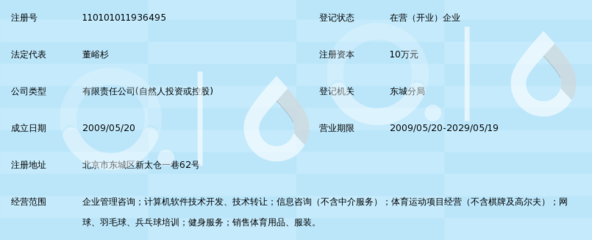
在數字經濟浪潮席卷全球的今天,軟件技術已成為驅動企業創新與增長的核心引擎。北京博才縱橫國際管理咨詢有限公司,作為一家深植本土、視野國際的專業咨詢機構,正以其獨特的綜合服務能力,在軟件技術轉讓這一專業領域扮演著至關重要的角色,為技術供需雙方搭建高效、合規、價值最大化的合作橋梁。
一、 軟件技術轉讓:機遇與挑戰并存
軟件技術轉讓,遠不止是代碼或文檔的簡單移交。它涉及知識產權(著作權、專利權、商業秘密等)的許可或轉移、技術評估、價值認定、法律合規、合同談判、知識傳遞、后續支持與集成等一系列復雜環節。對于技術持有方(轉讓方),如何在全球范圍內為自主研發的軟件尋找最合適的應用場景與合作伙伴,實現技術變現與生態拓展,是一大戰略課題;對于技術需求方(受讓方),如何精準識別、評估并成功引入能切實提升自身競爭力、解決業務痛點的外部技術,同時有效控制法律與集成風險,同樣是關鍵決策。
這一過程中,信息不對稱、估值困難、法律風險、文化與管理差異、技術集成障礙等問題層出不窮,亟需專業的第三方提供全方位支持。
二、 博才縱橫的核心價值:超越中介的專業賦能
北京博才縱橫國際管理咨詢的優勢,在于其“咨詢”內核與“國際”視野,使其在軟件技術轉讓服務中超越了傳統中介角色,提供系統化、戰略級的賦能:
- 戰略對接與需求精煉:憑借對多個行業(如金融科技、智能制造、企業服務、醫療健康等)的深刻洞察,博才縱橫能夠幫助客戶厘清技術轉讓的戰略意圖。無論是幫助轉讓方制定技術商業化路線圖,還是協助受讓方進行技術缺口分析與引進規劃,都能確保轉讓活動與企業長遠發展目標高度契合。
- 專業的技術與價值評估:組織由技術專家、行業分析師、知識產權律師構成的團隊,對擬轉讓的軟件技術進行多維度“體檢”。評估范圍涵蓋技術先進性、成熟度、可擴展性、源代碼質量、知識產權狀況(權屬清晰度、潛在侵權風險)、市場應用潛力及經濟價值,為公允定價和談判奠定堅實基礎。
- 全流程的法律與合規護航:軟件技術轉讓深陷于《著作權法》、《專利法》、《合同法》、《網絡安全法》、《數據安全法》及國際技術貿易管制的復雜法律網絡中。博才縱橫協同合作的法律伙伴,負責起草與審核技術許可/轉讓協議、源代碼托管協議、保密協議等關鍵文件,確保交易結構合法合規,有效規避知識產權糾紛、數據出境、開源協議沖突等風險。
- 高效的交易促成與談判支持:利用廣泛的國內外企業網絡與行業資源,精準匹配技術供需雙方。在談判階段,作為專業的協調方與顧問,幫助雙方就轉讓范圍(使用權/所有權)、授權方式(獨占/排他/普通)、費用結構(一次性付費/分期/ royalty)、技術支持、升級義務、違約條款等核心商業條款達成共識,平衡雙方利益,推動交易順利落地。
- 實施支持與整合咨詢:技術轉讓的成功,最終體現在受讓方對技術的有效吸收與應用上。博才縱橫可提供延伸服務,包括協助制定知識轉移計劃、培訓體系設計、系統集成方案咨詢,乃至后續的技術迭代規劃,確保技術轉讓不是終點,而是價值創造的新起點。
三、 典型應用場景
- 高校與科研院所成果轉化:協助將實驗室研發的創新型軟件技術,轉讓給具備產業化能力的企業。
- 企業非核心技術資產變現:幫助大型企業或科技公司,將其不再重點發展但仍有市場價值的軟件技術或模塊,轉讓給更需要的中小企業或特定行業客戶。
- 跨國技術引進與輸出:為國內企業引入國外先進軟件技術,或幫助國內優秀軟件解決方案“走出去”,處理跨境交易中的特殊法律、稅務與文化適配問題。
- 并購中的技術資產剝離與整合:在企業并購重組過程中,對涉及的軟件技術資產進行專項評估、剝離轉讓或整合方案設計。
###
在知識經濟時代,軟件技術的高效流動是激發創新活力、優化資源配置的關鍵。北京博才縱橫國際管理咨詢有限公司,正是這一流動過程中值得信賴的專業導航者。通過其綜合性的戰略咨詢、專業的評估體系、嚴謹的法律風控和豐富的資源網絡,博才縱橫不僅促成交易,更致力于讓每一次軟件技術轉讓都能實現客戶戰略價值的最大化,為合作雙方乃至整個產業生態的升級貢獻專業力量。對于任何計劃通過技術轉讓實現突破的企業或機構而言,選擇與博才縱橫這樣的專業伙伴同行,無疑是邁向成功的重要一步。
如若轉載,請注明出處:http://m.ptlr.cn/product/77.html
更新時間:2026-06-19 17:34:39